
Pre-Engineered Buildings
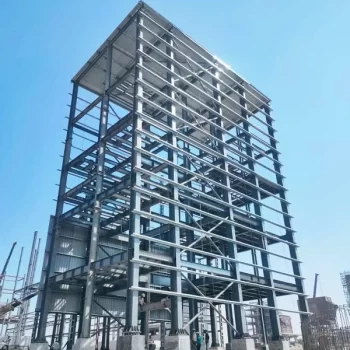
Pre-Engineered Building (PEB) Fabrication Services involve the design, fabrication, and assembly of custom steel structures for industrial, commercial, and agricultural buildings. These buildings are pre-engineered off-site, allowing for faster construction, cost efficiency, and flexibility in design. Services include fabrication of steel frames, roof systems, wall panels, and structural components, all tailored to meet specific client requirements. PEBs are ideal for projects requiring durability, quick assembly, and minimal on-site construction time.
PEBs are manufactured off-site in a controlled environment, allowing for faster construction, cost savings, and high-quality control.
Key Services Include :
Design and Engineering:
- Custom design of steel structures based on client requirements, using advanced software and engineering techniques.
- Structural design for various building types such as warehouses, factories, schools, showrooms, and more.
- Optimization of materials for cost efficiency and structural integrity.
Fabrication:
- Manufacture of steel components, including frames, columns, beams, roof trusses, and wall panels, using high-quality steel and modern fabrication techniques.
- Precision cutting, welding, and shaping of steel components to ensure a perfect fit for assembly.
Modular and Pre-Assembled Components:
- Pre-assembly of structural elements and modules off-site to minimize on-site construction time.
- Modular designs that allow for easy expansion or modification of the building as needs evolve.
Construction and Installation:
- On-site delivery and assembly of pre-engineered building components, ensuring fast and efficient construction.
- Installation of roofing systems, wall cladding, and other structural elements according to design specifications.
Customization:
- Tailored solutions to meet specific design requirements, including the integration of doors, windows, insulation, electrical, and HVAC systems.
- Custom finishes for aesthetic appeal or additional functionality.
Cost and Time Efficiency:
- Reduced construction time due to off-site fabrication, leading to faster project completion and lower labor costs.
- Cost-effective materials and processes to offer budget-friendly solutions without compromising quality.
Sustainability:
- Energy-efficient design options such as natural lighting, improved insulation, and sustainable materials.
- Environmentally friendly construction methods that minimize waste and resource consumption.
Benefits of Pre-Engineered Buildings:
- Faster construction timelines
- Cost-effective and scalable solutions
- High-quality, durable materials
- Flexibility for future expansion or modification
- Minimal on-site disruption
PEBs are ideal for a variety of industries including warehousing, manufacturing, commercial spaces, and more, offering a versatile, efficient, and sustainable solution for building needs.
Key Services Offered
Project Planning and Design
Feasibility Study:
- Assessment: Conducting detailed feasibility studies to evaluate project viability, including financial, technical, and operational aspects.
- Consultation: Providing expert advice on design options, materials, and technologies that align with client objectives and budget.
Design and Engineering:
- Concept Design: Creating initial design concepts that meet client requirements and project goals.
- Detailed Engineering: Developing comprehensive engineering plans, including architectural, structural, mechanical, and electrical designs.
Project Management
Planning and Scheduling:
- Timeline Development: Establishing detailed project timelines and milestones to ensure timely completion.
- Resource Allocation: Efficiently allocating resources, including manpower, equipment, and materials, to keep the project on track.
Coordination and Oversight:
- Vendor Management: Coordinating with subcontractors, suppliers, and other stakeholders to ensure seamless execution.
- Quality Control: Implementing stringent quality control measures to ensure that all aspects of the project meet the highest standards.
Procurement and Construction
Procurement:
- Sourcing: Identifying and procuring necessary materials, equipment, and services from reliable suppliers.
- Contract Management: Negotiating and managing contracts with vendors and subcontractors to secure favorable terms and ensure compliance.
Construction:
- Site Preparation: Overseeing site preparation and groundwork to ensure a solid foundation for construction.
- Execution: Managing the construction process, including installation, assembly, and integration of systems and components.
Commissioning and Handover
Testing and Commissioning:
- System Testing: Conducting thorough testing and inspections to verify that all systems and components are functioning correctly.
- Final Adjustments: Making necessary adjustments and optimizations to ensure optimal performance and efficiency.
Handover:
- Documentation: Providing comprehensive documentation, including operation manuals, maintenance guidelines, and as-built drawings.
- Training: Offering training sessions for client personnel to ensure they are fully capable of operating and maintaining the new system or facility.
Post-Handover Support
Maintenance and Support:
- Service Contracts: Offering maintenance and support services to address any issues that may arise after the project is completed.
- Upgrades: Providing options for future upgrades or modifications to keep the project aligned with evolving needs and technologies.
Client Feedback:
- Review: Conducting post-project reviews to gather client feedback and assess overall satisfaction.
- Continuous Improvement: Using client feedback to enhance service offerings and improve future project execution.
Conclusion: A Turnkey Projects Service Provider offers an all-encompassing approach to project execution, delivering complete, ready-to-use solutions while managing every detail of the project lifecycle. This approach simplifies the process for clients, ensuring that projects are completed efficiently, to high standards, and with minimal need for further involvement from the client.