
Structural Fabrication
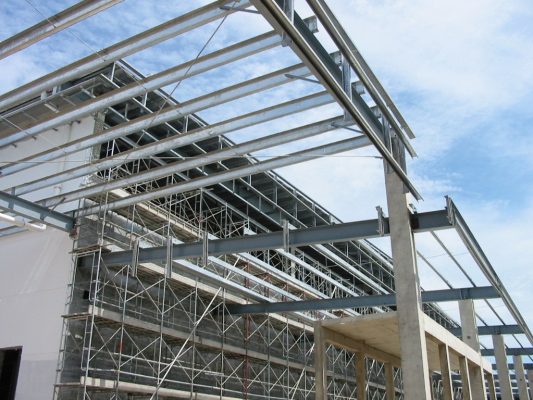
Structural Fabrication Services involve the design, manufacturing, and assembly of metal components to create the framework for buildings, bridges, industrial facilities, and more. Services include precision cutting, welding, and shaping of steel and other metals, along with custom structural solutions, surface treatment, and on-site installation. Fabrication is tailored to meet specific design and safety requirements, ensuring durable, high-quality results for a variety of industries, including construction, energy, and manufacturing.
Structural fabrication refers to the process of designing, manufacturing, and assembling steel and other metal components to create the framework of various structures such as buildings, bridges, towers, and industrial facilities. The fabrication process includes cutting, bending, welding, assembling, and finishing materials to meet specific design and structural requirements.
Key Services:
Design and Engineering Support:
- Collaborating with architects, engineers, and designers to create customized structural solutions.
- Providing value engineering to optimize material usage, cost, and design efficiency.
- Drafting detailed drawings, blueprints, and 3D models (BIM) to ensure accuracy and compliance with safety and regulatory standards.
Metal Cutting and Shaping:
- Precision cutting and shaping of steel, aluminum, stainless steel, and other alloys using advanced tools such as CNC machines, laser cutters, and plasma cutters.
- Bending and forming metal components to meet specific structural needs and design specifications.
Welding and Assembly:
- High-quality welding services (MIG, TIG, Stick, etc.) to join metal components into a single structure.
- Expertise in different welding techniques to ensure the strength and durability of the finished product.
- Assembly of fabricated components at the fabrication facility or at the project site.
Structural Steel Fabrication:
- Fabrication of structural steel beams, columns, braces, and other load-bearing elements.
- Providing both standard and custom-made structural steel components for various applications, from residential to commercial and industrial buildings.
- Steel surface preparation, including sandblasting, shot blasting, and priming for corrosion resistance.
Pre-Assembly and Modular Construction:
- Off-site pre-assembly of large-scale structures or modules, which are then transported and assembled on-site.
- Reducing construction time, minimizing on-site labor, and improving project efficiency.
Project Management and Site Installation:
- Comprehensive project management, including scheduling, budgeting, and coordination of logistics.
- On-site installation of fabricated steel components, ensuring structural integrity and compliance with design specifications.
- Quality control inspections during installation and commissioning of the structure.
Surface Treatment and Coating:
- Protective coatings and finishing, including galvanizing, powder coating, and painting to ensure the durability of the metal against corrosion and environmental factors.
- Custom finishes to meet aesthetic requirements and ensure long-lasting protection.
Structural Reinforcements and Modifications:
- Fabrication of additional structural elements for reinforcing existing buildings or structures.
- Retrofitting and modification services to meet new load requirements or improve safety and functionality.
Custom Fabrication for Specialized Applications:
- Design and fabrication of custom metal structures for unique or challenging projects, including heavy industrial equipment, storage tanks, and specialized machinery.
- Fabricating parts and components for industries such as construction, energy, transportation, and manufacturing.
Inspection and Testing:
- Performing non-destructive testing (NDT) to assess the strength and integrity of welded joints and metal components.
- Adherence to industry codes and standards such as ASTM, AISC, and ISO for quality assurance.